
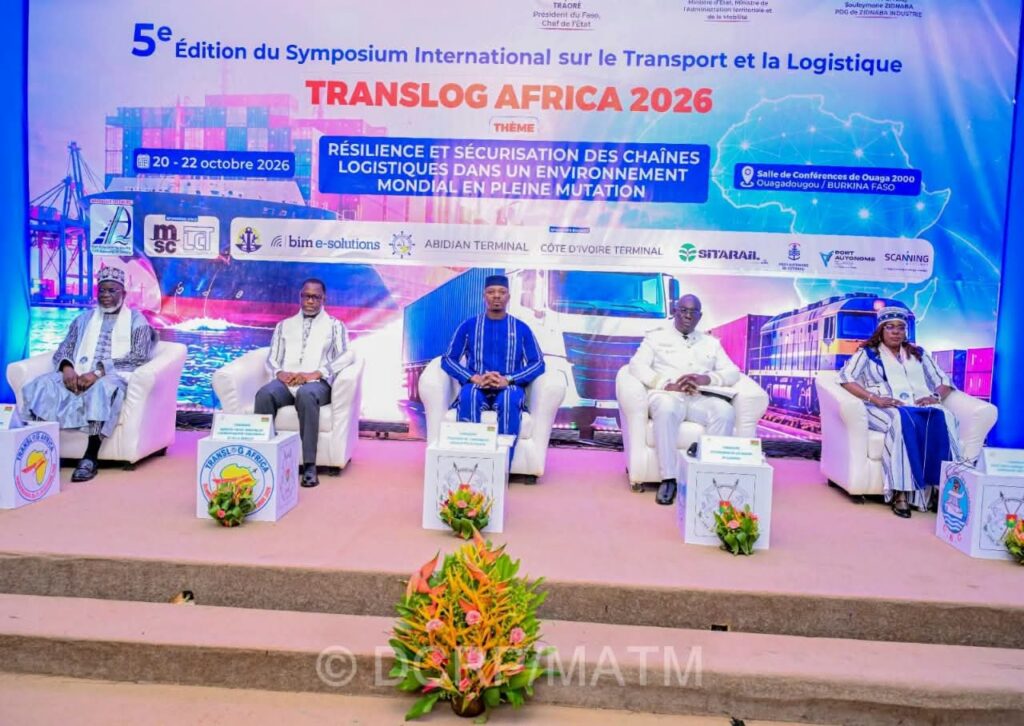
From October 20 to 22, 2026, Translog Africa 2026 brought together more than 150 experts from 15 countries in Ouagadougou, Burkina Faso, around logistics resilience and sovereignty in Africa. Cameroon’s National Shippers Council and the Douala Port Authority both made their mark. At the same time in Douala, a workshop backed by the European Union looked at removing non-tariff barriers in Central Africa.
Translog Africa 2026: Cameroon shares its experience
Translog Africa 2026 took place in Ouagadougou around the same period as Logiterre. The event gathered more than 150 experts from 15 countries to discuss its central theme: logistics resilience and sovereignty in Africa.
The National Shippers Council of Cameroon (CNCC), a partner of the GTTC, shared Cameroon’s experience in trade procedures and the simplification of foreign trade processes. Represented by Mr. Fernand Douglas Nolga, the CNCC reaffirmed its commitment to modernising logistics chains, facilitating trade and strengthening the competitiveness of Cameroon’s foreign trade.
The Douala Port Authority (PAD) also made a notable contribution through its Director General, Mr. Cyrus Ngo’o. He reaffirmed the strategic importance of Cameroon’s port infrastructure. His key points were logistics sovereignty and resilience, and stronger transport corridors along the Douala–Ouagadougou route.
Douala–Ouagadougou corridor: Burkinabè transport operators meet the Douala Port Authority
The Organisation of Transporters of Faso (OTRAF) had already laid the groundwork for a strategic partnership. Its aim is to convince Burkinabè authorities and shippers to route their goods through Cameroonian ports, particularly the port of Douala.
Against this backdrop, Burkinabè transport operators held talks with the Director General of the Douala Port Authority on the sidelines of Translog Africa 2026. They informed him of the existing partnership between the GTTC and OTRAF. In response, the Douala Port Authority pledged to create the best possible conditions for Burkinabè shippers and transport operators using the port of Douala.
Mr. Issoufou Maïga, 1st Vice President of OTRAF and 4th Vice President of the Burkina Faso Chamber of Commerce and Industry, expressed confidence in routing Burkinabè goods through Douala. After the meeting, he stressed the importance of the talks. He also reiterated OTRAF’s commitment to working with the Cameroon Road Transport Trade Union (GTTC), which he described as a strategic partner.
We will bring you more on this story, with highlights from the meeting, in our next publications.
PAIRIAC workshop in Douala: towards fewer barriers in Central Africa
From October 20 to 23, 2026, the GTTC took part in a capacity-building workshop for small and medium-sized enterprises and industries (SMEs and SMIs) in Douala. It did so through the Federation of Transport Organisations of the Economic Community of Central African States (FETRANS-ECCAS).
The workshop was organised by the European Union through the PAIRIAC programme, within the framework of the African Continental Free Trade Area (AfCFTA). Participants included:
- regional economic communities, notably ECCAS and CEMAC;
- public administrations and institutions, including the Ministry of Trade and the National Shippers Council of Cameroon;
- private sector stakeholders and transport umbrella organisations, including FETRANS-ECCAS.
Participants were introduced to the regional mechanism for monitoring and eliminating non-tariff barriers (NTBs) in Central Africa. The roles of the National Monitoring Committees (NMCs) and National Focal Points (NFPs) were also explained. However, concerns were raised about how to fund the many structures needed to implement this mechanism.
Another key topic was the legal and institutional framework for juxtaposed and single border control posts across the sub-region. Participants stressed the need to harmonise procedures, operating hours and data-sharing systems among Central African states. Customs procedures between Cameroon and Chad received particular attention, as better coordination there remains essential for cross-border trade and transport.
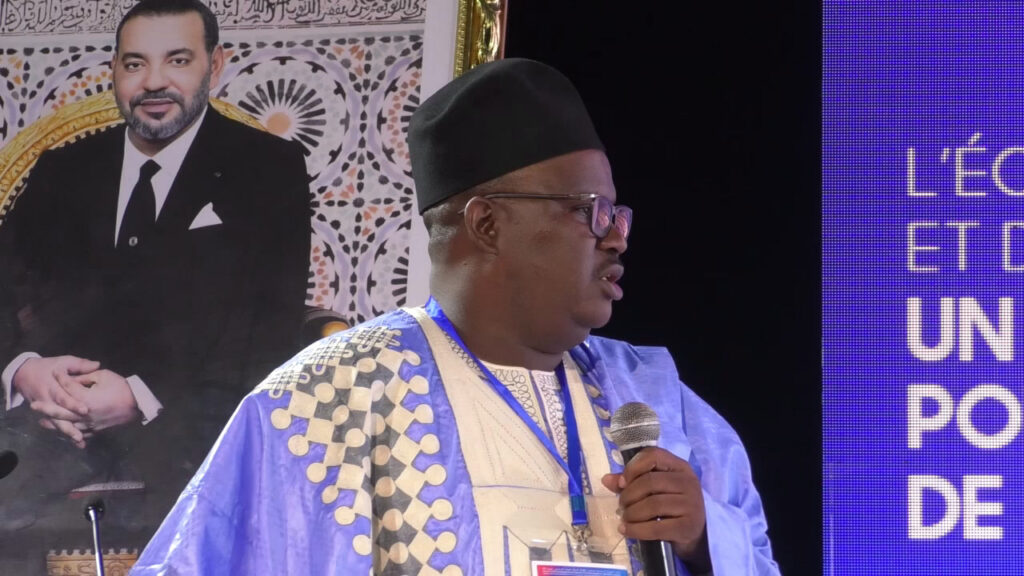
The workshop ended on a positive note, with participants satisfied with the discussions and outcomes. The GTTC’s president, Mr. Ibrahima Yaya, also took part, despite arriving back from Morocco at 3 a.m. His presence underscored the GTTC’s continued commitment, through FETRANS-ECCAS, to regional integration, easier cross-border transport and a more efficient, competitive logistics sector in Central Africa.

Comments
Leave a comment
No comments yet. Be the first to share your thoughts!