
Our scope
Our sectorsof activity
The GTTC represents and defends the interests of all of Cameroon’s land transport professionals, in all their diversity.
Road transport
National routes and regional corridors
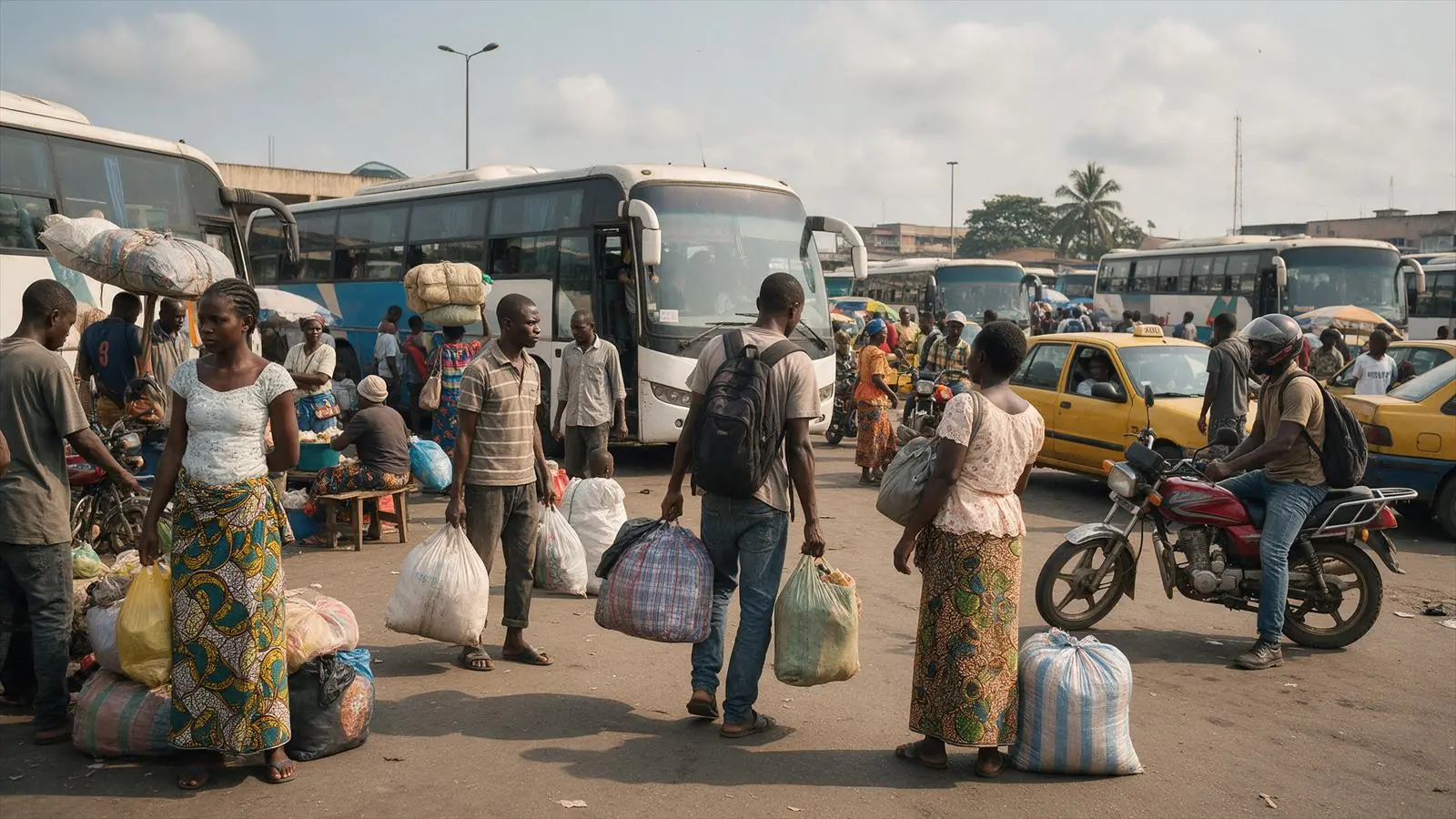
Road transport is the backbone of mobility in Cameroon. It covers long-distance services on national highways and the regional corridors linking Cameroon to its neighbours (Chad, the Central African Republic, Nigeria).
affiliated vehicles
national routes covered
regional corridors

Who operates in this sector?
National transport companies (Touristique Express, Amour Mezam, Garantie Express, etc.), intercity coach operators and mixed passenger-and-goods transport companies.
Main routes covered
- Douala – Yaoundé – Bertoua – Bangui
- Douala – Bafoussam – Bamenda
- Douala – Garoua – N’Djamena
- Yaoundé – Ebolowa – Ambam
Challenges in the sector
Deteriorating road infrastructure, harassment at police checkpoints, unfair competition from informal operators, high fuel and insurance costs, vehicle overloading.
What the GTTC does for you
Representation before the Ministry of Transport, negotiations to reduce roadblocks, driver training, legal assistance in disputes, access to fuel price data.
Intercity transport
Connecting towns and communities across Cameroon
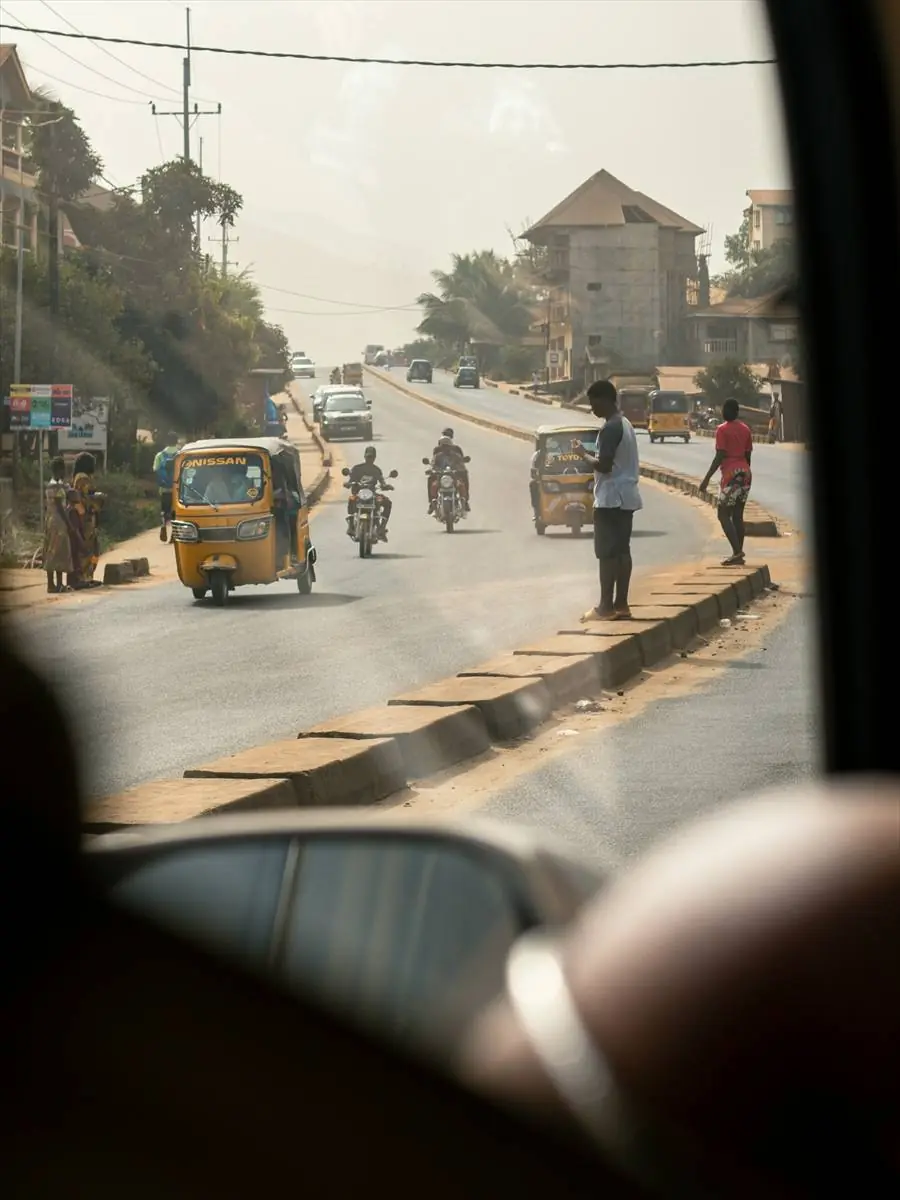
Intercity transport provides regular links between major cities, regional capitals and rural communities. It plays a key role in giving people in remote areas access to public services (health, education, administration).
affiliated buses and coaches
regions served
regular routes
Who operates in this sector?
Regional travel agencies, operators of unbranded coaches, shuttle minibuses and vans, and intercity transport cooperatives registered with the Ministry of Transport.
Main regional routes
- Douala – Bafoussam – Dschang – Mbouda
- Yaoundé – Mbalmayo – Sangmélima
- Garoua – Ngaoundéré – Meiganga
- Maroua – Mokolo – Kousséri
Challenges in the sector
Too few properly equipped bus stations, competition from motorbike taxis over short distances, no stable official fares, high accident risk on secondary roads.
What the GTTC does for you
Advocacy for new bus stations, fare negotiations with the authorities, road safety training for drivers, support against abusive checks.
Urban transport
Everyday mobility in Cameroon’s cities
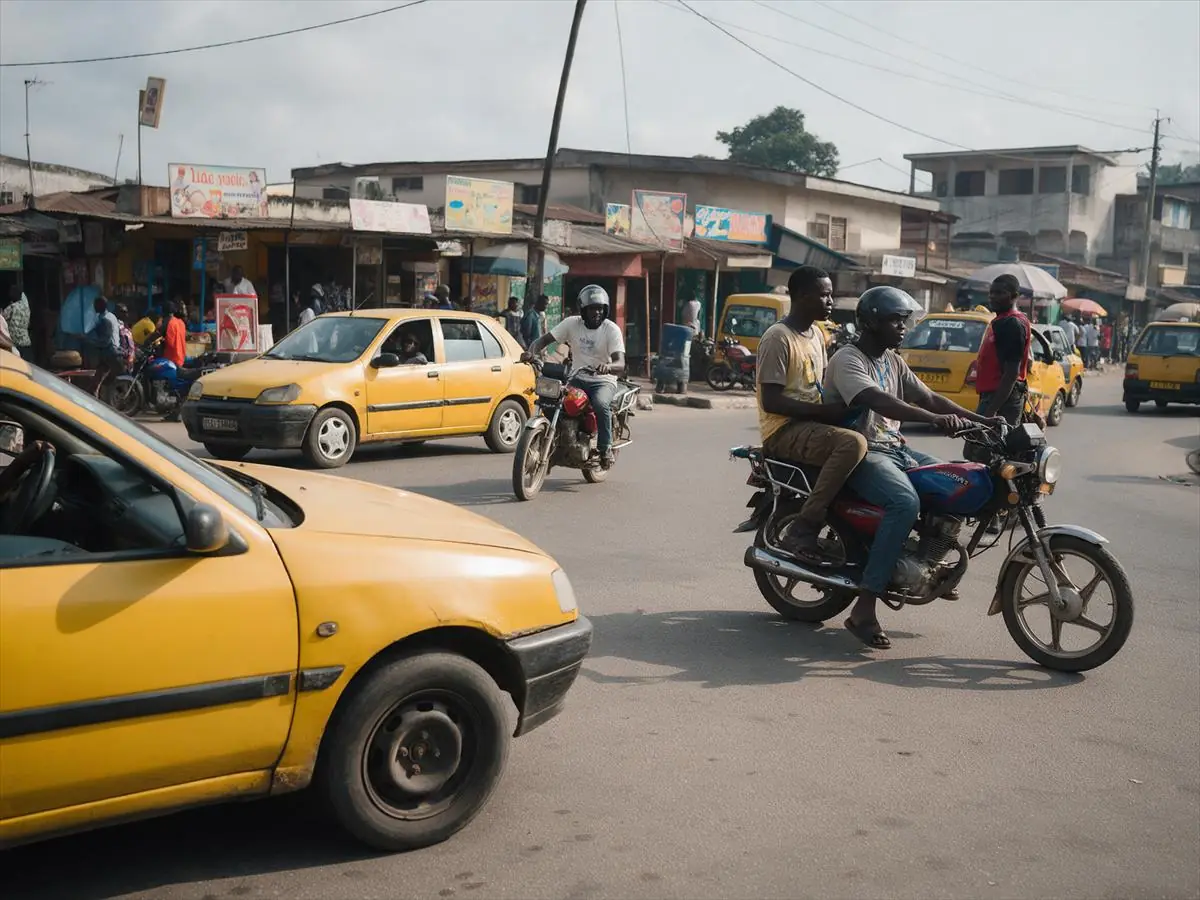
Urban transport covers all ways of getting around within cities: taxis, city buses and motorbike taxis. It is the main means of transport for millions of Cameroonians in cities such as Douala, Yaoundé, Bafoussam, Bamenda and Garoua.
affiliated taxis
affiliated motorbike taxis
cities covered
Urban transport operators
Yellow taxis (private cars registered for public service), motorbike taxis (“bendskin”), private city buses, and neighbourhood minibuses and vans.
Key figures
Douala has more than 40,000 taxis and 60,000 motorbike taxis in operation. More than 2 million trips a day are made with informal and semi-formal urban transport in the two largest cities.
Challenges in the sector
Saturated road network, chronic traffic jams, ageing vehicles, no dedicated lanes, pollution, frequent accidents, insecure incomes for drivers.
What the GTTC does for you
Defending taxis and motorbike taxis before the authorities, advocacy for revised official fares, road safety training, support during checks or licence suspensions.
Freight transport
Overland logistics and freight for the national economy
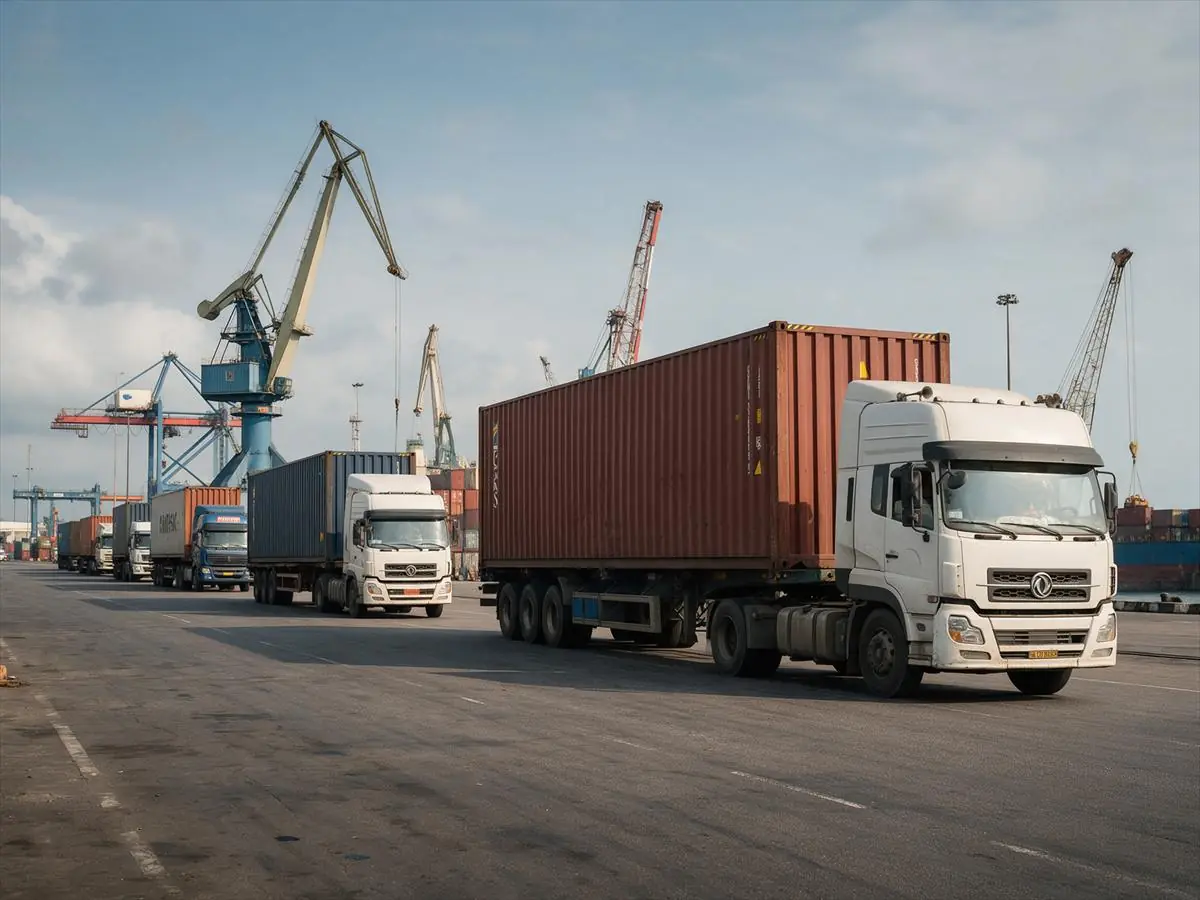
Road freight drives domestic trade and regional transit. From foodstuffs to building materials, fuel and containerised goods, GTTC-affiliated carriers keep supply chains moving across the country and the region.
affiliated trucks
regional corridors
of regional freight transits through Douala
Types of freight covered
Dry bulk (cereals, bags, materials), liquid bulk (fuel, oil), containers, parcels and courier services, perishable goods, abnormal loads.
Strategic corridors
- Douala (port) – N’Djamena (Chad): 1,900 km
- Douala – Bangui (CAR): 1,400 km
- Douala – Libreville (Gabon)
- Douala – Lagos (Nigeria)
Challenges in the sector
Harassment at checkpoints (more than 60 roadblocks on the Douala–N’Djamena corridor), informal charges, customs clearance delays, poor condition of some routes, theft of goods in transit.
What the GTTC does for you
Tracking with CSYSCAM (truck geolocation), negotiations on the Douala–N’Djamena corridor, action against illegal roadblocks, anti-fuel-fraud committee, OHADA training for contract management.
Transport auxiliaries
Service providers and facilitators in the logistics chain
Transport auxiliaries are all the professionals who facilitate, organise or complement transport operations without operating vehicles themselves. They are essential to a well-functioning logistics chain.
affiliated auxiliaries
trades represented
institutional partner
Who are transport auxiliaries?
Freight forwarders and customs agents, shipping and air agents, warehouse and logistics platform managers, handling and packaging providers, specialist transport insurance brokers.
Their role in the logistics chain
They connect shippers with carriers, handle customs formalities, coordinate loading and unloading, and offer intermediate storage solutions.
Challenges in the sector
No clear regulatory framework, competition from unlicensed operators, difficult access to financing, red tape at the Port of Douala counters.
What the GTTC does for you
Representation before the National Shippers’ Council of Cameroon (CNCC), advocacy for a legal status for auxiliaries, access to OHADA and management training, networking with member carriers.
Your sector is represented.
Join the organisation that stands up for your rights before the authorities every day.